
A two-week trip to Africa from the UK costs €900–4,500 (about £780–3,900) per person depending on the country. Budgets by destination, how much cash to take and which currency.
How much does a trip to Africa cost? For two weeks from the UK, a realistic budget is €900 to €4,500 per person (roughly £780–3,900), depending above all on the country. Morocco sits at the bottom of the range; Botswana and Tanzania at the top. The gap is driven less by your travel style than by which country you choose.
Below you will find budgets by destination, how much cash to carry and the money traps that cause the most trouble on the ground.
In this article
- Trip to Africa cost: budgets by country
- Where the money goes
- How much cash to take
- What is the most valuable currency in Africa?
- Five expensive mistakes
- Frequently asked questions
- A budget with no surprises
Trip to Africa cost: budgets by country
- Morocco: €900–1,600 (about £780–1,400). The cheapest and the closest.
- Egypt: €1,300–2,200, Nile cruise included.
- Senegal: €1,500–2,300.
- Cape Verde: €1,400–2,400, depending on the island and hotel type.
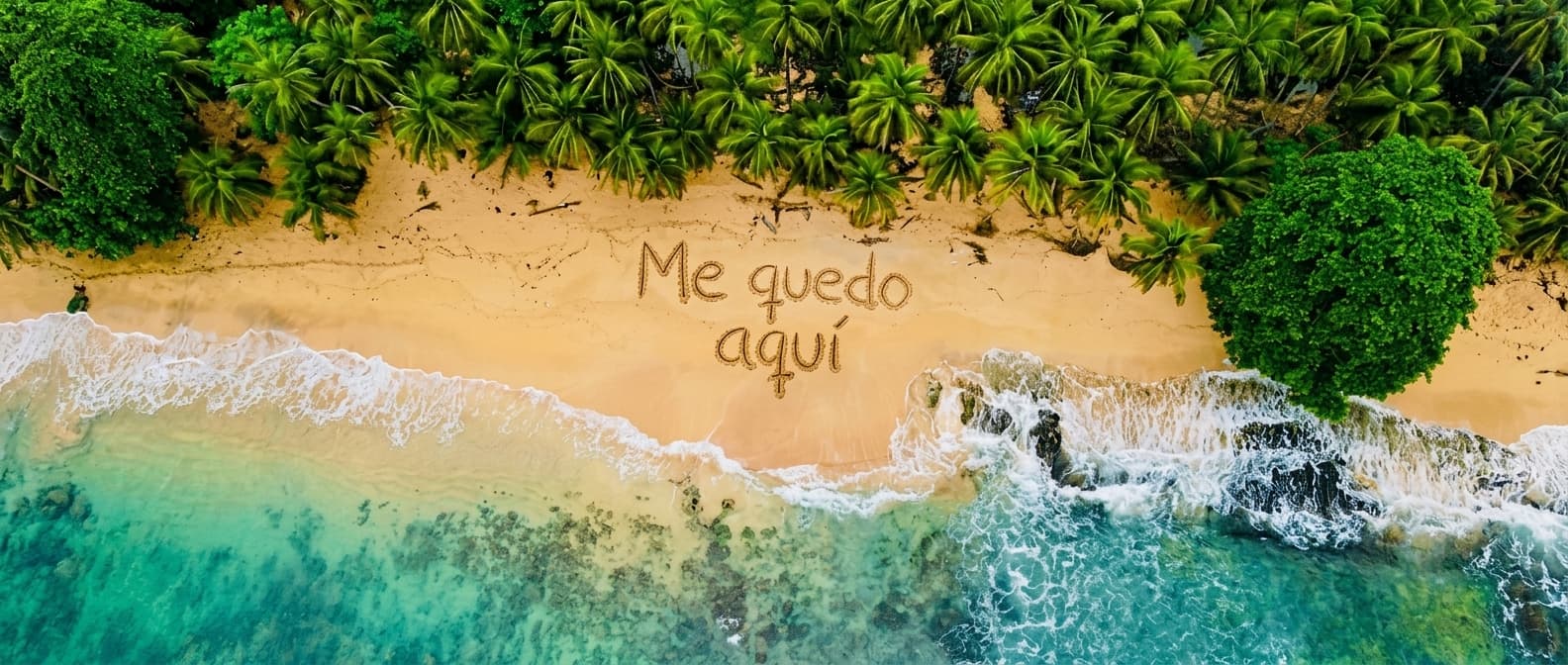
- São Tomé and Príncipe: for 8 days, the usual length, our private guided tour costs from €1,250 per person, to which you add flights via Lisbon and personal spending.
- South Africa: €2,500–3,500 (about £2,150–3,000).
- Namibia: €2,800–3,800.
- Tanzania with Zanzibar: €3,000–4,500.
- Botswana: from €4,000, with no obvious ceiling.
These figures are for about two weeks and include international flights, accommodation, internal transport, meals and the main activities.
Where the money goes
The flight
Between 30% and 50% of the total budget. Morocco can be reached for around £100 return on budget airlines out of season; southern and East Africa usually cost £520–950 return; São Tomé and Príncipe requires a connection in Lisbon with TAP, on a route with little competition, so fares are relatively high for the distance.
National parks and activities
This is the item that blows safari budgets: park fees in Tanzania run to tens of dollars per person per day, and an organised safari costs around €200–400 a day. In destinations without safaris, this item drops dramatically. We break it down in our guide to African safari cost.
Accommodation
From €20 for a Moroccan guesthouse to more than €1,000 for a lodge in the Okavango. In countries with few hotels (São Tomé and Príncipe is a good example), prices are high not because of luxury but because of scarcity.
Internal transport
African distances are huge. Internal flights, 4x4 hire (€50–90 a day) and local drivers add up to more than people expect.
How much cash to take
This is the practical question that really matters, because much of Africa still runs on banknotes:
- Morocco, Egypt, South Africa, Namibia: cards widely accepted. €150–250 in cash is enough.
- Senegal, Ghana, Tanzania: cash for day-to-day spending, cards in hotels and agencies. Take €300–400.
- São Tomé and Príncipe: a cash country. ATMs are few and unreliable, and cards are rarely accepted. Take €250–400 in euros for eight days with accommodation already paid.
Which currency to take from the UK
Sterling is less widely exchanged across Africa than euros or US dollars, so convert before you go. Take clean, new euro notes for North, West and Central Africa: they change easily, and in some countries (São Tomé and Príncipe, Cape Verde) they are often accepted directly. In East and southern Africa the US dollar is usually better received; take notes printed after 2013, because older ones are often refused.
Don't buy African currencies in the UK: you will almost always lose out, and many are not sold here at all.
Featured trip
São Tomé and Príncipe Circuit — 8 Days
What is the most valuable currency in Africa?
By nominal exchange rate, the Tunisian dinar (TND) usually tops the lists, followed by the Libyan dinar (LYD) and the Moroccan dirham (MAD). Rates move, so check before travelling.
But "most valuable currency" does not mean "most expensive country" or "richest country". A currency's nominal value depends on how it was historically denominated, not on purchasing power. The Tunisian dinar is worth a lot per unit and Tunisia is a cheap destination; the Ugandan shilling is worth very little per unit, which says nothing about the cost of living there.
A curious case is the São Tomé dobra (STN), pegged to the euro at a fixed rate of €1 = 24.5 dobras under an agreement with Portugal, which removes exchange-rate uncertainty. It is one of the few African currencies with that guaranteed stability.
Five expensive mistakes
- Changing money at the airport. The worst rates are always there. Change the minimum and use an exchange office in town.
- Relying on ATMs. In much of West and Central Africa they fail, run empty or reject foreign cards.
- Forgetting local fees. Tourist, airport or park fees paid in cash on arrival. In São Tomé and Príncipe the tourist tax is €2.10 per person per night, paid at the airport.
- Not budgeting for tips. On safari they are practically compulsory: €10–20 a day for guide and team.
- Skimping on travel insurance. A medical evacuation from a country with limited healthcare costs tens of thousands of pounds. It is the best risk-to-price ratio of the whole trip.
Frequently asked questions
How much does a 2-week trip to Africa cost from the UK?
Between €900 and €4,500 (about £780–3,900) per person with flights, depending on the country: Morocco at the low end, Botswana and Tanzania at the top.
How much does it cost to fly to Africa from London?
From around £100 return to Morocco out of season to £520–950 for East and southern Africa, more at Christmas and in summer school holidays.
Is Africa a cheap place to visit?
Day-to-day costs are low in many countries, but flights, park fees and limited hotel supply can make trips expensive. The cheapest is Morocco, followed by Egypt, Senegal and Ghana.
Can you pay by card in Africa?
It depends heavily on the country. In South Africa or Morocco, normally. In São Tomé and Príncipe or Guinea-Bissau, almost never.
How much money do you need per day?
With accommodation and transport already paid, €25–40 (about £20–35) a day covers meals, tips and personal spending in most African destinations.
A budget with no surprises
Our 8-day São Tomé and Príncipe tour costs from €1,250 per person and includes accommodation, a local English-speaking guide, a 4x4 with driver, five excursions and half board with 17 meals. You only add flights, travel insurance and personal spending. See the full cost breakdown for São Tomé, how to get to São Tomé from the UK, or contact us.