
South Africa has high crime rates, yet most visitors travel without incident. What the FCDO says, areas and situations to avoid, precautions that work and the context behind it.
Is South Africa safe to visit? For the vast majority of travellers, yes: the country has some of the highest crime rates in the world and, at the same time, welcomes millions of tourists every year who travel without incident. Both things are true, and understanding why is the key to travelling there with peace of mind.
The explanation is that South African crime is heavily concentrated in particular urban areas and communities, and the usual tourist circuit (Cape Town, the Garden Route, the Winelands, the Kruger) largely runs apart from it. The UK Foreign, Commonwealth & Development Office (FCDO) does not advise against travel to any part of the country, but it is frank about the risks.
In this article
- What the FCDO says about South Africa
- The data, without drama and without downplaying it
- Is there poverty in South Africa?
- Areas and situations to avoid
- The precautions that actually work
- Other risks: health, roads and nature
- Frequently asked questions
- If safety holds you back, there is another Africa
What the FCDO says about South Africa
The FCDO travel advice for South Africa (last updated in July 2026) has no "advise against all travel" or "all but essential travel" warnings for any region, which means standard travel insurance remains valid. Its key points:
- Crime is high, including muggings, carjackings, smash-and-grab robberies and violent crime, mostly in townships, informal settlements and high-density areas, and more so after dark.
- Airport follow-home robberies: criminals have followed travellers from Johannesburg's OR Tambo airport. Keep valuables in your carry-on and arrange a pickup or a reputable transfer.
- Hiking: there have been muggings on Table Mountain, Lion's Head and Signal Hill. Stick to busy marked trails, hike in groups and finish before dark.
- Protests happen regularly and can turn violent quickly; avoid them and never cross roadblocks.
- Terrorism: the FCDO considers attacks likely, as in many countries, mainly by lone actors targeting crowded places.
The data, without drama and without downplaying it
South Africa records murder rates far above the global average and high levels of violent robbery and property crime. No traveller should ignore that. Now the nuances that change the picture:
- Violence is geographically concentrated in specific townships and neighbourhoods of the big cities, far from tourist routes.
- Most violent crime happens between people who know each other, not as random attacks on strangers.
- Crime against tourists is mostly opportunistic theft: phones, cameras and items left in cars.
- Even within one city, such as Cape Town, the tourist areas and the most violent neighbourhoods can be just a few kilometres apart without visitors ever crossing paths with the latter.
Is there poverty in South Africa?
Yes, and it is essential to talk about it to understand the country. South Africa is one of the most unequal countries in the world, usually top of income-inequality rankings, with a large share of the population living in poverty and very high structural unemployment, especially among young people.
That inequality is the direct legacy of apartheid, the system of racial segregation that lasted until 1994. The townships, peripheral settlements where the Black population was forced to live, still exist today, often a few kilometres from very wealthy suburbs. You will see that border physically as you drive around the country.
This matters to travellers for two reasons. The first is practical: extreme inequality is the factor that best explains crime levels. The second is ethical: it is worth travelling with your eyes open. If you visit a township, go with community-run operators who put the money back into the neighbourhood, never as a poverty photo safari.
Areas and situations to avoid
- Johannesburg and Pretoria city centres at night, especially Johannesburg's CBD, which empties after dark.
- Townships on your own. Only with an accredited local guide.
- Isolated beaches and paths at dusk, even in tourist areas of Cape Town.
- Hiking Table Mountain alone or on quiet trails.
- Street ATMs, especially at night. Use those inside shopping centres.
- Driving at night on secondary roads, and stopping for apparently stranded motorists or unmarked "blue light" cars.
- Back routes to and from Cape Town airport. The FCDO recommends staying on the main M3 and N2 highways.
The precautions that actually work
- Never leave anything visible in the car. Not even an empty bag. It is the most common crime against tourists.
- Keep doors locked while driving and leave a gap behind the vehicle in front at traffic lights.
- Use Uber or Bolt in cities rather than hailing taxis on the street.
- Don't flash your phone on the street. It is the most stolen item.
- Carry little cash. The country runs on cards almost everywhere.
- Stay in recommended areas: in Cape Town, the V&A Waterfront, Sea Point, Camps Bay or Gardens.
- Ask your accommodation which streets to avoid. Local knowledge is very precise.
- If you are robbed, hand everything over. Belongings can be replaced.
- Check the FCDO advice before you travel and sign up for its email alerts.
Other risks: health, roads and nature
- Malaria: present in the north-east, including the Kruger, mainly in summer. See our guide to vaccinations for South Africa.
- Roads: driving is on the left, as in the UK, but fatal accidents are common, with pedestrians and animals on the road. Avoid driving at night.
- Kruger: the park itself is calm in terms of crime; the risks are wildlife and malaria. Never get out of your car outside designated areas. SANParks has advised visitors not to use the Numbi Gate following a fatal attack on a tourist.
- Sea: strong currents on both coasts and sharks at some beaches. Only swim between the red and yellow flags. Keep away from seals: rabies has been found in them along the Cape coast.
- Power cuts (load shedding): they were routine for years; today they are much rarer but can still happen, so check your accommodation has a backup.
Private healthcare in South Africa is excellent but expensive, and there is no healthcare agreement with the UK. Take out travel insurance with full medical cover.
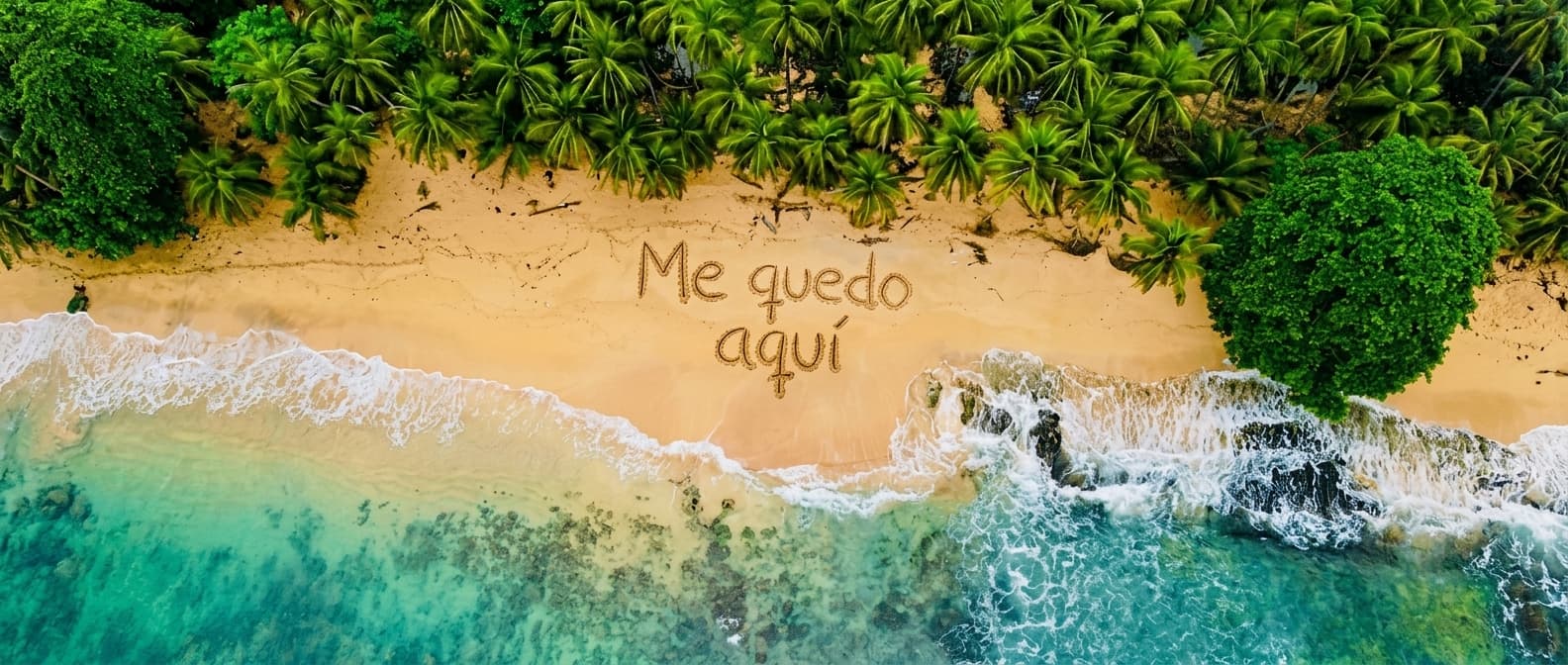
Featured trip
São Tomé and Príncipe Circuit — 8 Days
Frequently asked questions
Is South Africa safe to visit from the UK right now?
Yes. The FCDO does not advise against travel to any part of South Africa, but it asks visitors to be alert to high crime levels. The vast majority of British visitors travel without problems using basic precautions.
What part of South Africa is the safest?
The usual tourist areas: the Winelands, the Garden Route, the Kruger and its private reserves, and the well-known neighbourhoods of Cape Town by day. Risk rises in big-city centres at night and in townships without a guide.
Is Cape Town safe to walk around?
In tourist areas such as the Waterfront, Sea Point or Camps Bay, reasonably so by day. At night, move by car or Uber and avoid walking in quiet areas.
Is South Africa safe for women travelling alone?
Many women do it. Take extra care at night and avoid walking alone after dark; organised transfers and well-reviewed accommodation make a big difference.
Can you visit a township?
Yes, with local community operators. Never on your own.
If safety holds you back, there is another Africa
For some travellers, the precautions South Africa requires weigh too heavily, especially with children or travelling solo. If that is you, it is worth looking at the other end of the spectrum.
São Tomé and Príncipe is one of the calmest countries in Africa: no armed conflict, no history of terrorism and a crime level the FCDO itself describes as generally low. Walking around the capital in the evening is normal, and the precautions you need are about health and logistics, not street crime. Read our analysis of safety in São Tomé and our list of the safest countries in Africa.
Discover our 8-day São Tomé and Príncipe tour, a private guided trip with an English-speaking guide from €1,250 per person (flights not included), or get in touch.