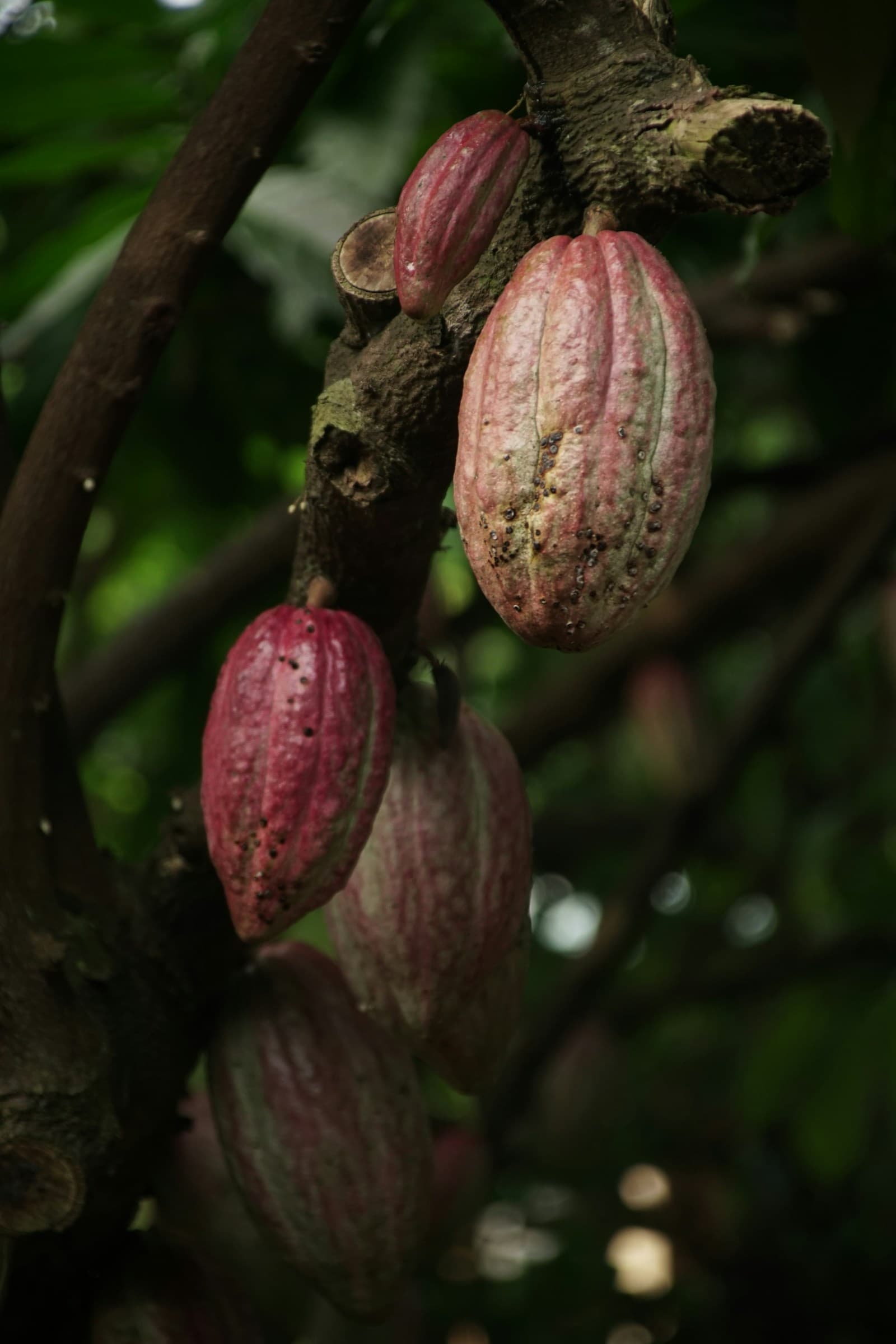
The story of São Tomé cocoa, why it is considered among the finest in the world, and the roças where you can follow the journey from bean to chocolate.
Why is São Tomé cocoa famous? São Tomé cocoa grows in volcanic soil, with rain and heat all year round, and much of it is produced on small organic plantations in the shade of the forest. In the early 20th century the country was the world's largest cocoa producer, and its fine cocoa is still sought after by chocolate makers around the world. On a trip you can visit the roças, follow the process at a cooperative and taste chocolate made on the island. Between 1905 and 1911, São Tomé and Príncipe was the world's largest cocoa producer. An archipelago of just over a thousand square kilometres in the middle of the Gulf of Guinea supplied Europe's chocolate factories. That era is over — but the cocoa stayed, and what leaves the island today is sought after by chocolate makers who pay several times the market price for it.
For an overview of the country, from things to do to weather, prices and safety, see our São Tomé and Príncipe travel guide.
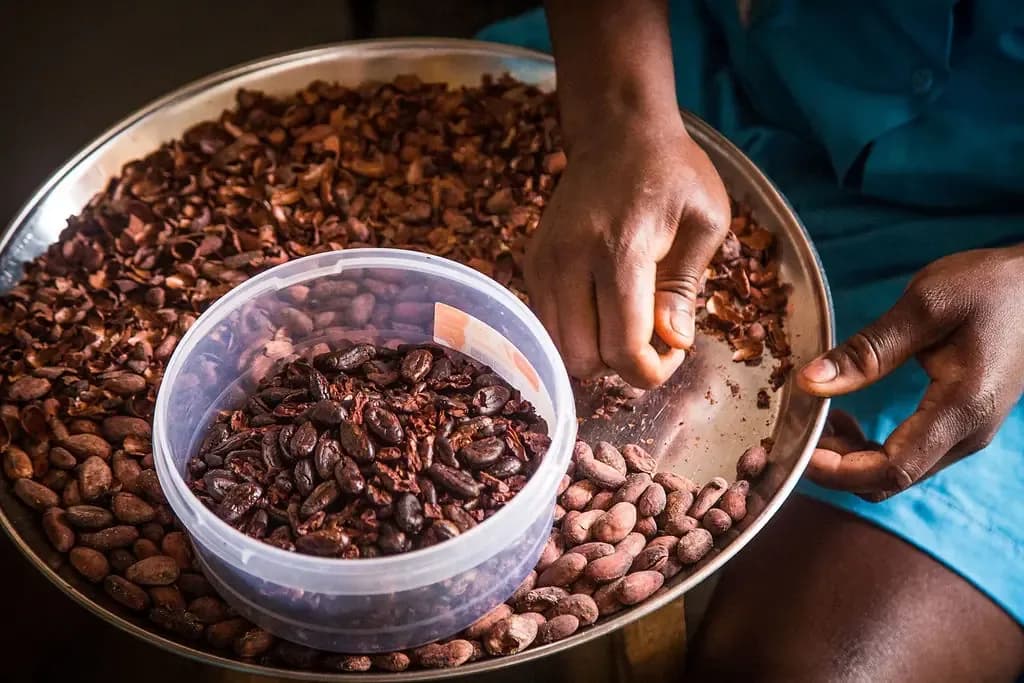
Dried cocoa beans from São Tomé and Príncipe, one of the finest cocoas in the world. Photo: Príncipe Collection
The history: how a tiny archipelago dominated the world
Cocoa arrived in São Tomé in the 19th century and found perfect conditions: volcanic soil, abundant rain and constant heat all year. Within a few decades the archipelago became known as the chocolate island, and in the early 20th century it reached first place in the world. It was a prosperity built on a system of forced labour that deeply marked the country's history — and the great roças you can visit today, with their hospitals, chapels and workers' quarters, tell that whole story, not just the pretty part.
Why this cocoa is different
São Tomé's production today is small in quantity and high in quality. The terroir counts — volcanic soil and an equatorial microclimate — but above all the method does: hand harvesting, fermentation in wooden boxes and sun drying, a slow process that large industrial plantations don't follow. Much of the production is organic, and some cooperatives export directly to European chocolate makers. That is why the island's cocoa is classed as fine flavour, the category that makes up a tiny fraction of the world's cocoa.
Enjoying this article?
Get the day-by-day trip programme, with dates and prices
Sao Tome and Principe Tours: 8-Day Private Trip with a Local Guide8 days / 7 nightsfrom 1,250 €
Cocoa roças you can visit
- Roça Monte Café — in the highlands, more linked to coffee but with a museum and on-site tasting.
- Roça Água Izé — one of the largest and most impressive, with the old laundry and hospital.
- Roça Agostinho Neto — one of the largest in the archipelago, a whole town given back to the forest.
- Roça Santa Luzia — restored and working today, where you can stay in the middle of the forest.
- Terreiro Velho, on Príncipe island — an organic cocoa plantation, one of the best known in the archipelago.
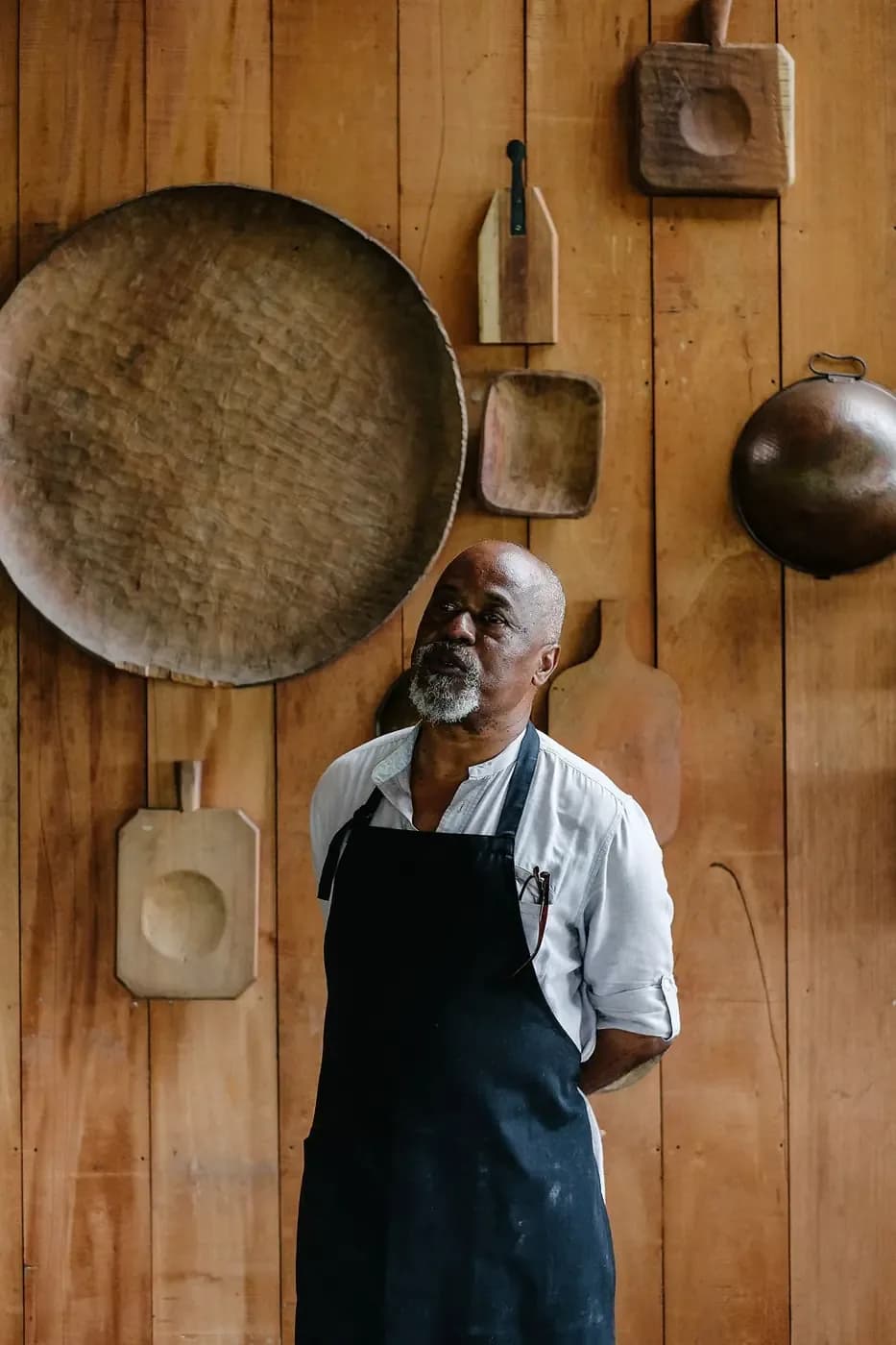
Traditional São Tomé kitchen with wooden utensils. Photo: Príncipe Collection
From pod to chocolate, step by step
The pod is cracked open and inside there is a sweet, tangy white pulp that you eat on the spot and that almost nobody associates with chocolate — one of the best surprises of the visit. The beans ferment for a few days in wooden boxes, dry in the sun on racks that are hurriedly covered when the rain comes, and only then are roasted and processed. Seeing this journey from start to finish on a working roça teaches you more about chocolate than any documentary.
Where to taste it and what to take home
To find out where to taste the island's best chocolate, from Diogo Vaz, awarded in Paris as the world's best chocolate, to Claudio Corallo, see our guide to São Tomé chocolate. Some cooperatives welcome visitors and sell chocolate made on site, and at the Central Market in São Tomé you can buy directly from producers. Island cocoa bars, cocoa powder and cocoa liqueur are the easiest souvenirs to bring home — light, cheap and impossible to find quite the same in Europe. A practical note: pack them well wrapped in your checked luggage, because chocolate travels badly in the heat.
See the roças up close
The Cocoa Route is part of our tours in São Tomé:
- Cocoa Route excursion — a full day in the north, with Roça Agostinho Neto and a cocoa and chocolate tasting.
- São Tomé and Príncipe trip, 9 days — includes the Cocoa Route and the signature lunch at chef João Carlos Silva's roça.
- São Tomé and Príncipe Island, 9 days — with an extension to Príncipe island.
To prepare your trip, see our complete São Tomé and Príncipe guide, things to do on the island and facts about the archipelago.
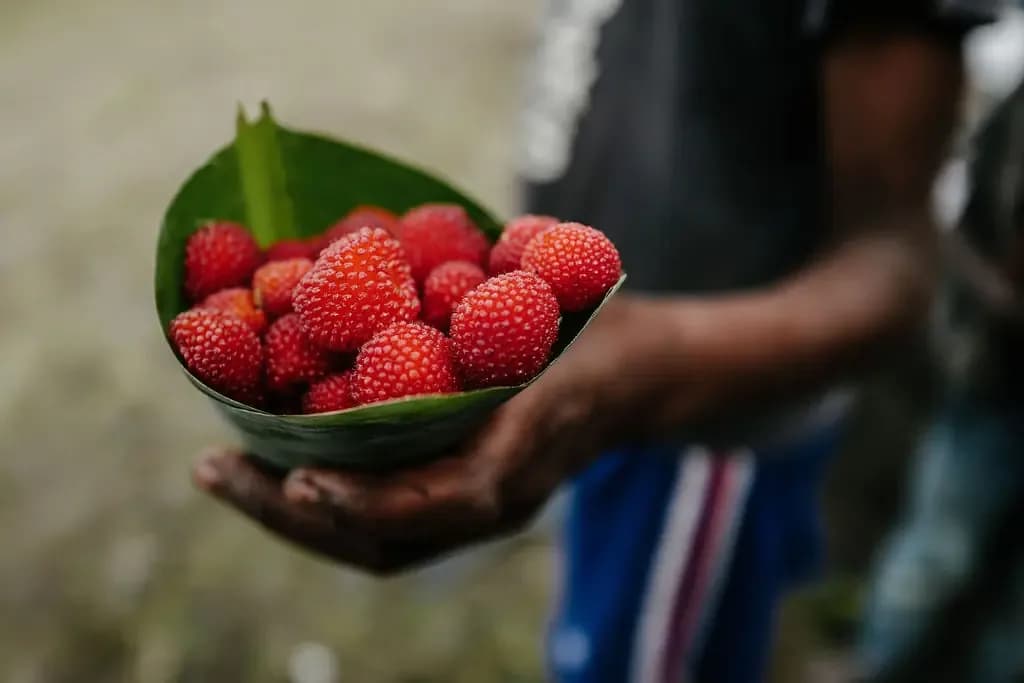
Fresh island fruit served on a leaf. Photo: Príncipe Collection
What the Cocoa Route is like
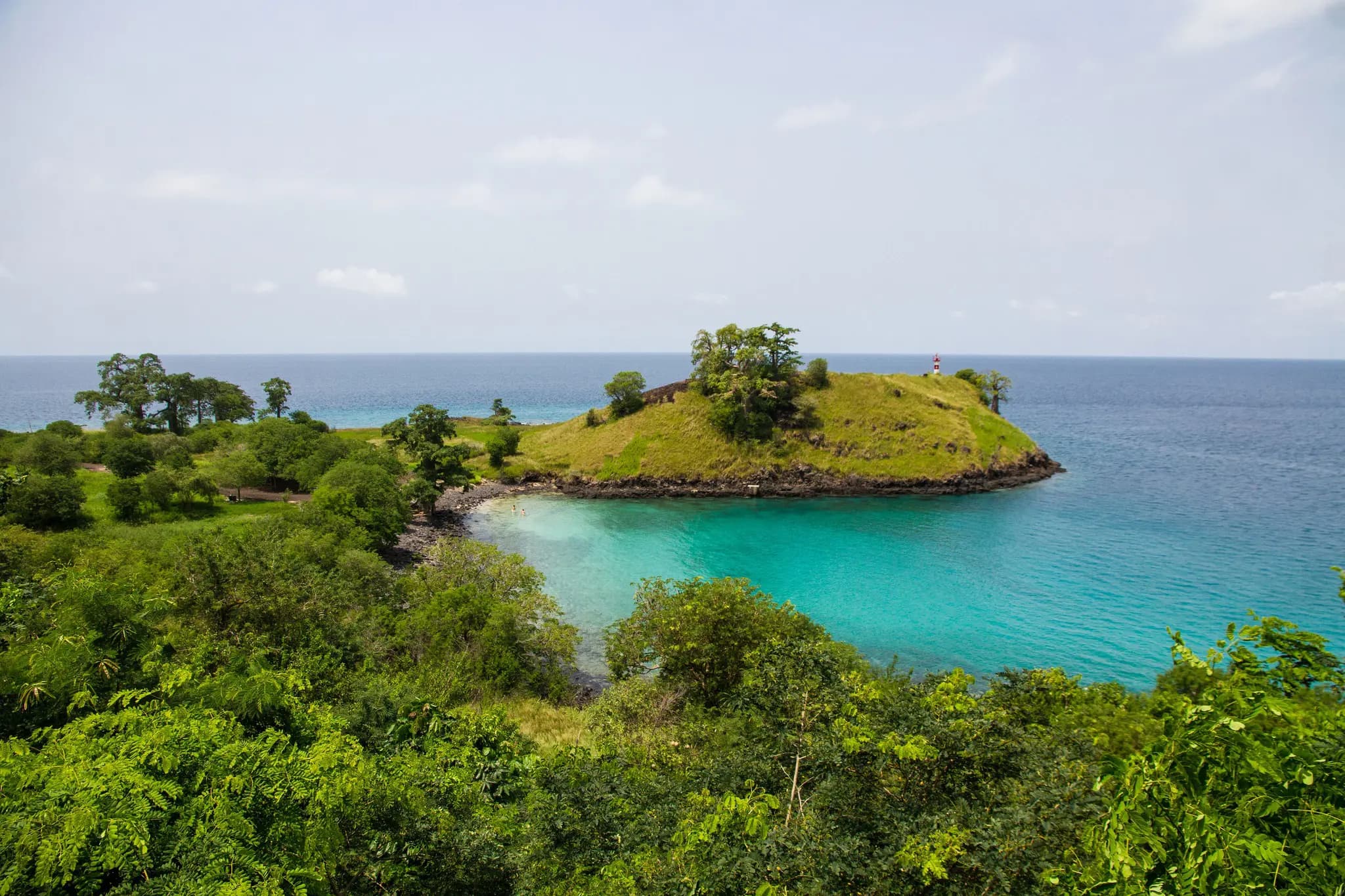
On our 9-day tour, the Cocoa Route takes you to a cooperative in the Lembá district, in the north of the island, to follow the whole artisanal process: harvesting, fermentation, drying and sorting the beans, done by hand by the women of the community. There is a small local fee of about €4 per person. The same day continues along the baobab route to Lagoa Azul.
FAQ
Why is São Tomé called the chocolate island?
Because between 1905 and 1911 it was the world's largest cocoa producer, and cocoa is still its main export.
Can you visit a cocoa plantation in São Tomé?
Yes. Several roças and cooperatives welcome visitors, especially in the north and centre of the island.
Is São Tomé cocoa organic?
Much of it is produced by smallholders in cooperatives, using organic methods in the shade of the forest.
Where can I buy São Tomé chocolate at home?
You can find it in chocolate shops and organic stores, but on the island you taste it freshly made and at a lower price. We explain everything in our guide to São Tomé chocolate.
Plan your trip with Vamos Fugir
Vamos Fugir is a travel agency licensed by Turismo de Portugal (RNAVT no. 4155), with its own team in São Tomé. See all our trips and follow us on Facebook and Instagram.