
An all-inclusive safari in Africa costs €200–1,500 per person per day depending on the country and the lodge. Real prices by destination, what 'all-inclusive' leaves out and cheaper ideas.
The average African safari cost runs from about €200 to €1,500 (roughly £170–1,300) per person per day on an all-inclusive basis, before international flights. That huge range comes down to two factors: the country, because park fees vary enormously, and the level of accommodation, from shared camping to a private lodge with its own light aircraft.
Let's get to the actual numbers, and at the end to what hardly anyone tells you about what "all-inclusive" really means on safari.
In this article
- African safari cost per day, by level
- Price by country (7 days of safari, without international flights)
- What "all-inclusive" really includes
- How to cut the cost without ruining the safari
- What if you want nature, not necessarily a safari?
- Frequently asked questions
- Another kind of African nature
African safari cost per day, by level
- Budget, group and camping: €150–250 (£130–215) per person per day
- Mid-range, lodge or permanent tented camp: €300–500 (£260–430)
- Upmarket, private lodge: €600–1,000 (£520–860)
- Luxury, with light-aircraft transfers between camps: €1,000–1,500 (£860–1,300) or more
Price by country (7 days of safari, without international flights)
The country you choose moves the African safari cost more than anything else, mainly because of park fees and how remote the camps are.
- South Africa (Kruger): €1,200–3,000. The most affordable, and you can self-drive through the park.
- Kenya (Maasai Mara): €1,800–4,000.
- Tanzania (Serengeti and Ngorongoro): €2,500–5,000. Park fees are among the highest on the continent.
- Namibia (Etosha): €1,500–3,000, usually with a hire car.
- Botswana (Okavango and Chobe): €4,000–10,000. The country deliberately chose low-volume, high-price tourism.
- Uganda and Rwanda (gorillas): the gorilla trekking permit alone costs around US$800 in Uganda and US$1,500 in Rwanda per person, for one hour with the gorillas.
Add return flights from the UK: roughly €600–1,100 (about £520–950) depending on destination and season. Nairobi and Johannesburg have direct flights from London; most other safari gateways need a connection.
What "all-inclusive" really includes
It usually covers accommodation, full board, the game drives in the programme, the guide, the vehicle and transfers. It almost never covers:
- Park entry fees, which in Tanzania can exceed US$70 per person per day.
- Tips, practically compulsory: €10–20 (£9–17) per day in total for guide, driver and camp staff.
- Alcoholic drinks, except in upmarket lodges.
- Internal flights between parks, almost unavoidable in Botswana or Tanzania.
- Special activities: hot-air balloon (€400–500), night drives, walking safaris with an armed ranger.
- Travel insurance with medical evacuation.
Always ask about these six items before comparing quotes: they explain why two "all-inclusive" safaris can end up €800 apart in final cost.
How to cut the cost without ruining the safari
- Choose South Africa. It is the great safari destination where you can self-drive through a top-class park like the Kruger. The full budget is in our guide to the cost of a 2-week holiday in South Africa.
- Travel in shoulder season. November or April bring prices down a lot, with wildlife still very visible.
- Join a small group rather than going private. It spreads the fixed cost of vehicle and guide.
- Sleep outside the park. Lodges in the bordering areas cost a fraction.
- Cut the number of safari days. Four or five well-chosen days give almost as much as ten, and the early starts are tiring.
What if you want nature, not necessarily a safari?
Here comes an awkward question: do you want to see the Big Five, or do you want spectacular African nature? Because if it is the second, there are much cheaper and far less crowded options.
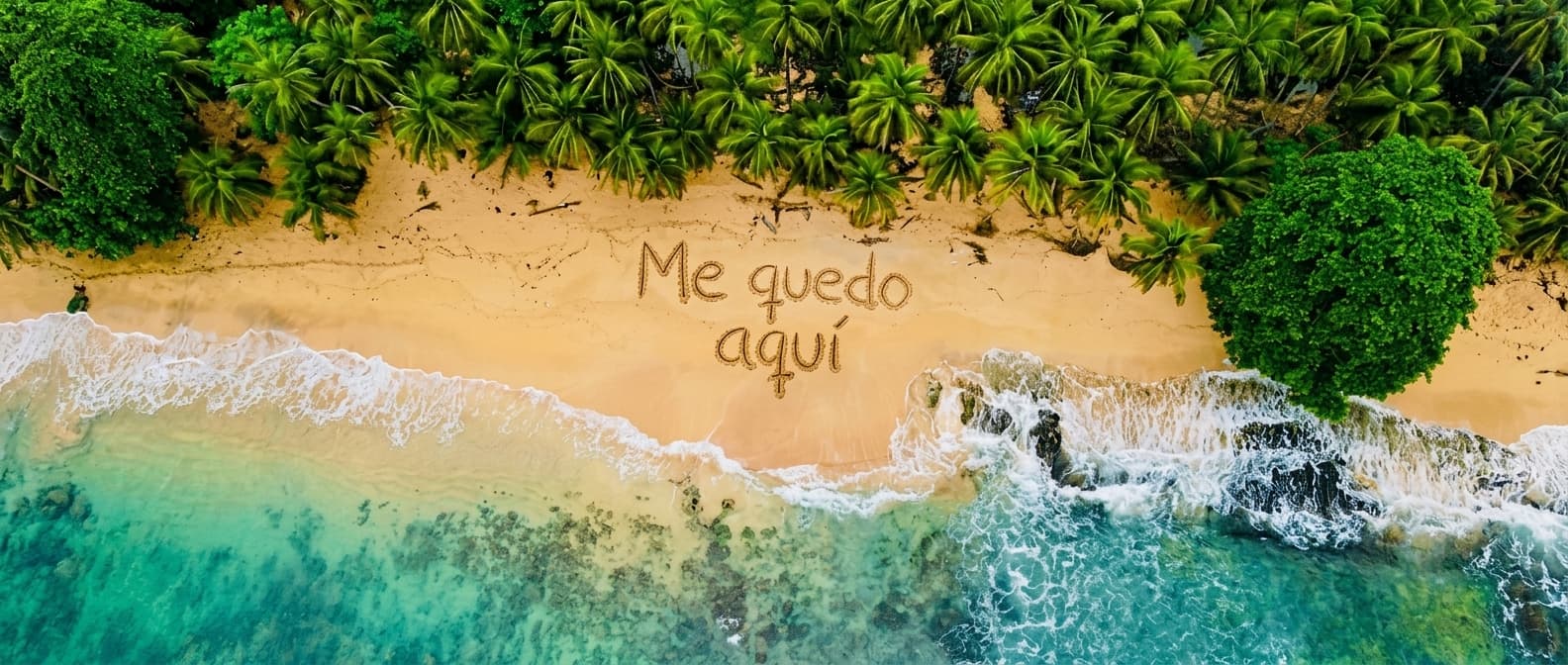
São Tomé and Príncipe is a good example, and we will be completely transparent: there is no safari here. No lions, no elephants, no giraffes. The islands were never joined to the continent, so large mammals never reached them.
What it does have is a different kind of natural wealth:
Featured trip
São Tomé and Príncipe Circuit — 8 Days
- Extraordinary marine life: humpback whales from July to October, dolphins all year, four species of sea turtle nesting on southern beaches between September and April, and reefs with very good visibility in the dry season.
- One of the planet's great bird sanctuaries: dozens of endemic species found nowhere else on Earth. For a birdwatcher, it is worth what a safari is to another traveller.
- Primary equatorial rainforest: Obô Natural Park covers around 30% of the territory.
And the price is in another league: our 8-day private guided tour starts at €1,250 per person on the ground, plus flights via Lisbon, compared with €4,000 or more for a mid-range safari in East Africa. And no queue of 4x4s around a leopard.
It is not a substitute for a safari: it is something else. But if what drives you is nature rather than the Big Five checklist, it deserves a comparison. See our things to do in São Tomé and Príncipe.
Frequently asked questions
What is the average cost of an African safari trip?
For 7 days, between €1,200 and €10,000 per person depending on country and level, without international flights. A mid-range safari in South Africa or Kenya is around €2,000–3,000 (about £1,700–2,600).
Where is the cheapest safari in Africa?
South Africa's Kruger, especially if you self-drive and stay in park rest camps or just outside the park.
Is an African safari worth the money?
For most people who go, yes: it is a once-in-a-lifetime experience. With luxury safaris, what you are buying is exclusivity (private concessions without other vehicles, top guides); the wildlife you see can be the same.
How much should I tip on safari?
Around €10–20 (£9–17) per person per day, shared between guide, tracker and camp staff. Budget for it from the start.
Are there wild animals in São Tomé and Príncipe?
No large mammals. But there is remarkable marine life (whales, dolphins and turtles) and one of the highest concentrations of endemic birds on the planet.
Another kind of African nature
Our 8-day São Tomé and Príncipe tour takes in primary rainforest, beaches where turtles nest and the Ilhéu das Rolas on the Equator, privately and with an English-speaking guide, from €1,250 per person (flights not included). Compare other options in our guide to the best countries to visit in Africa, or contact us.